Root Canal Treatment at Baudelaire Dental Clinic
Endodontics at The Baudelaire Dental Clinic is a specialized area focused on performing advanced treatments to save damaged or failing teeth, effectively preventing or treating dental infections that cause pain, discomfort, and potential tooth loss. Our expert consultant endodontist, Dr. Ian Blewitt, personally cares for all our patients.
What is Root Canal Treatment?
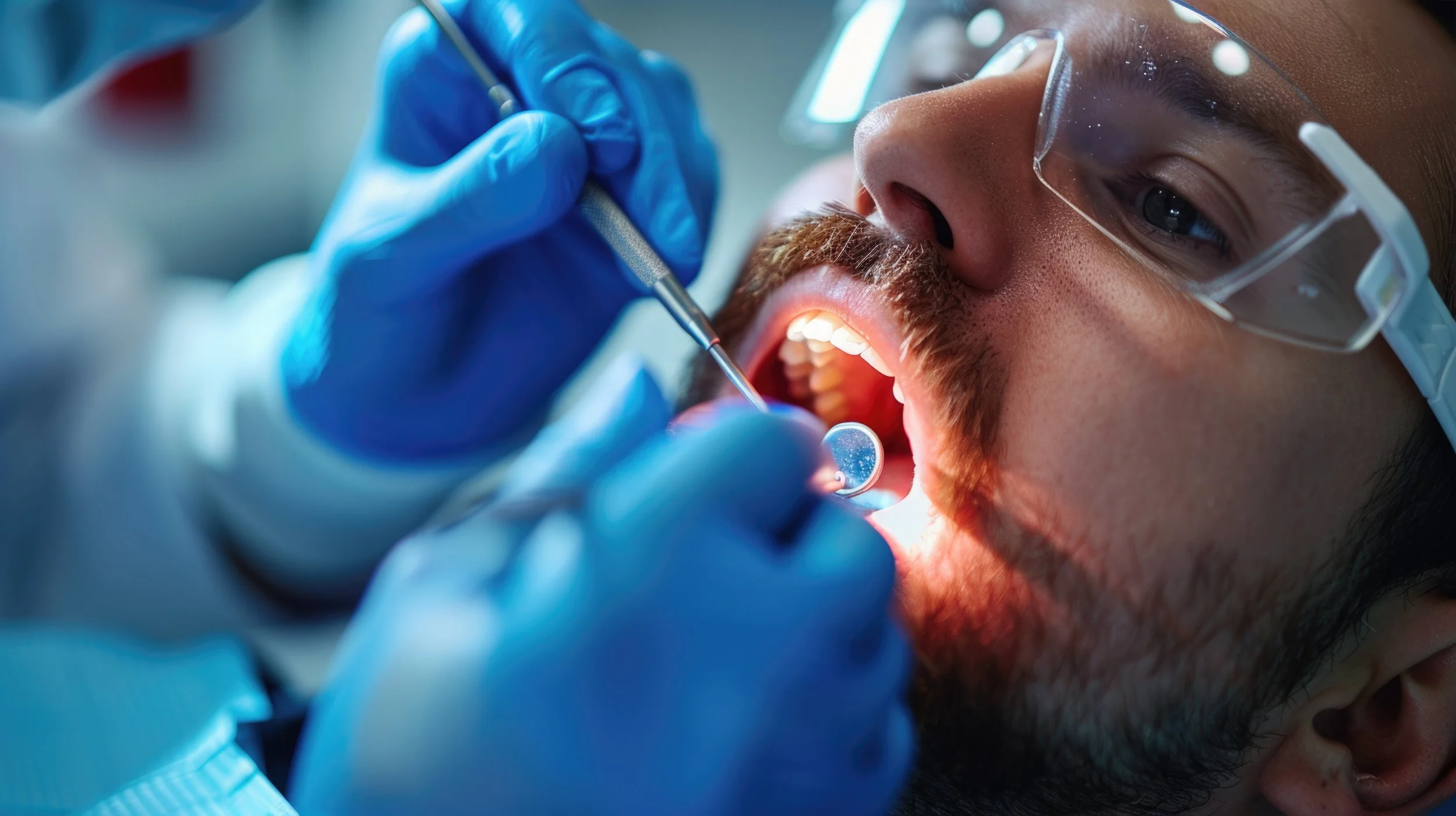
Root canal treatment, also called endodontic therapy, is a dental procedure designed to save a tooth that has become infected or damaged. It involves removing the infected or damaged tissue inside the tooth, known as the pulp, thoroughly cleaning the empty space, and then sealing it to prevent future infections.
The Advantages of Root Canal Therapy
-
![A brown molar tooth silhouette]()
Alleviates Discomfort
-
![A large brown tooth icon with two roots at the bottom]()
Prevents Further Dental Complications
-
![A simple, cartoon-style illustration of a molar tooth.]()
Preserves the Natural Tooth
-
![A brown tooth illustration]()
Enhances Overall Oral Wellbeing

How does Root Canal Treatment work?
1
The endodontist begins by thoroughly examining the affected tooth and obtaining an X-ray or 3D scan to assess the extent of the damage and locate the infected pulp.
Diagnosis & Planning
2
To ensure comfort, a local anaesthetic is administered around the tooth, numbing the area and minimizing any discomfort during the procedure.
Local Anaesthesia
3
The dentist carefully creates an opening at the top of the tooth to reach the infected or damaged pulp tissue inside.
Accessing the Pulp
4
Using specialized tools and advanced equipment, the dentist removes the infected pulp from within the root canals. During this process, the canals are also shaped to prepare them for filling.
Cleaning & Shaping the Root Canals
5
Once cleaned and shaped, the empty root canals are sealed with a rubber-like material called gutta-percha. This effectively seals the canals, preventing bacteria from re-entering and causing further infection. Depending on the case, the treatment may be completed in one or two visits, or sometimes over 2-3 weeks with intervals between appointments, based on the tooth’s condition after the initial session.
Filling the Root Canals
6
After the root canal is sealed, the tooth may require restoration with a filling or a crown to restore its strength and protect it from future damage.
Restoring the Tooth
7
Post-procedure, the dentist provides instructions for caring for the treated tooth and may schedule a follow-up appointment to monitor healing and ensure the success of the treatment.
Follow-up Care
FAQ
-
When the pulp inside a tooth becomes infected or inflamed, it must be carefully removed to stop the infection from spreading and to alleviate pain. If left untreated, the infection can extend beyond the pulp, potentially leading to the formation of an abscess at the tip of the root or in the surrounding bone, which can cause swelling, discomfort, and further complications. The root canal procedure involves extracting the infected pulp, thoroughly cleaning and disinfecting the interior of the tooth to eliminate bacteria and debris, and then sealing the space to prevent any future infection or damage. This process helps preserve the natural tooth and maintain oral health.
-
Severe toothache pain
Pain when biting or chewing
Prolonged sensitivity to heat or cold
Darkening of the tooth
Swelling and tenderness in nearby gums
A persistent pimple on the gums
-
Root canal treatments often carry an undeserved reputation for being extremely painful; however, thanks to advancements in dental technology, modern techniques, and effective anaesthesia, the procedure is typically no more uncomfortable than getting a standard dental filling. The primary purpose of a root canal is to eliminate the pain caused by an infected or inflamed pulp inside the tooth, and most patients experience significant relief and feel much better after the treatment. It’s common to experience some mild soreness or sensitivity in the treated area for a few days following the procedure, but this discomfort usually subsides quickly with proper care.
-
A root canal procedure generally lasts anywhere from about 30 minutes to up to 90 minutes, depending on the complexity of the case. When it comes to molars, the treatment may take a bit longer than front teeth because molars usually contain more root canals that need to be cleaned, shaped, and sealed. In certain situations, especially if the infection is extensive or the tooth requires additional work, the procedure might be divided into two separate appointments spaced roughly a week apart to ensure thorough treatment and healing.
-
Root canal therapy is designed to be a long-lasting, permanent solution for saving a damaged or infected tooth. While the goal is for the treated tooth to remain healthy and functional indefinitely, there is a possibility that it may eventually become re-infected or develop issues over time. In such cases, retreatment or, in some instances, extraction might be necessary. However, with diligent oral hygiene, proper care, and routine dental check-ups, many root canal-treated teeth can remain healthy and functional for a lifetime, providing lasting relief and preservation of your natural smile.

Book your smile consultation
Find Us
57 Portland Place
London
W1B 1QN
TEL: 02075 807 146
EMAIL: reception@baudelairedentalclinic.com
Opening Hours
Monday: 08:30 - 17:30
Tuesday: 08:30 - 17:30
Wednesday: 08:30 - 17:30
Thursday: 08:30 - 17:30
Friday: 08:30 - 17:30
Saturday: 09:00 - 13:00
Stay up to date