Invisalign at Baudelaire
Dental Clinic
At Baudelaire Dental Clinic, we take pride in being a leading provider of Invisalign treatments, offering our patients top-quality, discreet orthodontic solutions.
What is Invisalign?
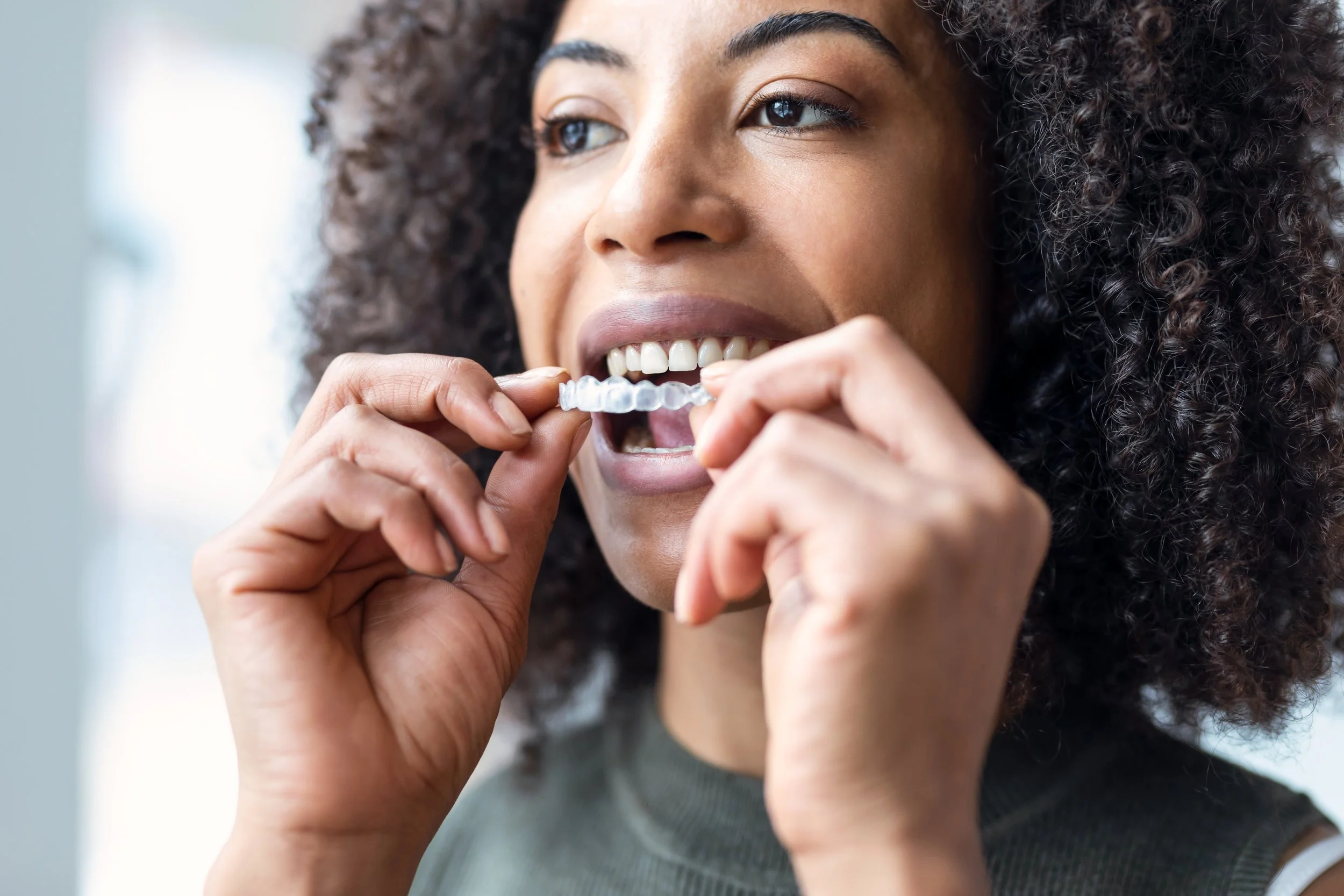
Invisalign is a modern orthodontic treatment that uses a series of clear, removable aligners to straighten teeth. These aligners are custom-made to fit your teeth perfectly and gradually move them into the desired position. Unlike traditional braces, Invisalign aligners are nearly invisible, making them a discreet option for orthodontic correction.
They can be removed for eating, drinking, brushing, and flossing, which helps maintain good oral hygiene. The treatment is often more comfortable and convenient, with fewer visits to the dentist for adjustments. Invisalign is effective for correcting a variety of dental issues, from minor to moderate. Overall, it offers a discreet and flexible way to achieve a straighter smile.
Each aligner is usually worn for around 10 days, gradually moving your teeth into their ideal position — with the average treatment duration ranging from approximately 9 to 12 months.
The Invisalign Process
We take pride in offering a seamless and customised Invisalign treatment process designed to give you a beautiful, confident smile. Here’s a step-by-step guide to what you can expect when you choose Invisalign with us:
1
Consultation
Your Invisalign journey begins with a thorough consultation. During this visit, your teeth and gums will be carefully examined to ensure you're healthy and ready to start treatment. We'll also take a 3D scan of your teeth, allowing us to create a personalised treatment plan and map out the precise movements needed for your smile transformation.
2
ClinCheck Simulation
Within one week of your consultation, we will provide you with a ClinCheck 3D simulation of your treatment plan. This state-of-the-art digital tool shows you a detailed simulation of how your teeth will look at the end of treatment. The ClinCheck simulation forms the blueprint for your custom-made aligners and ensures you are confident in the results before starting the process.
3
Invisalign Fit
Around 2-4 weeks after your consultation, it’s time to begin your treatment! At this appointment, we will fit your Invisalign aligners with attachments (if needed) to help move your teeth into their new positions. You’ll receive a batch of aligners, which you will wear for 22 hours a day, only removing them to eat, drink, or clean your teeth. You will change to a new set of aligners every week, and we’ll track your progress regularly to ensure everything is moving as planned.
4
IPR (Inter-proximal Reduction)
In some cases, Interproximal Reduction (IPR) may be necessary to create space between your teeth and adjust your bite. This procedure involves removing tiny amounts of enamel to help your teeth move more efficiently. IPR helps achieve optimal results and better alignment, especially in cases of crowding or bite issues.
5
Refinements
Throughout your treatment, there may be a need for refinements — additional aligners that ensure your teeth are fully straightened, gaps are closed, or bite adjustments are made. If needed, we will take updated scans to create these refinement aligners, providing you with any final adjustments necessary for the best possible results.
The different types of Invisalign treatment
We offer Invisalign lite, moderate and comprehensive. All designed to help you achieve a straighter, healthier smile, but each is suited and tailored for different dental needs.
Lite
Suitability
Ideal for mild to moderate dental issues
Treatment Duration
Typically shorter treatment time
Number of Aligners
Typically 14 Aligners
Cost
More cost-effective options
Technology
Utilises advanced 3D imaging technology for precision
Moderate
Suitability
Perfect for cases that are more complex than Invisalign Lite but still not as advanced as Invisalign Comprehensive
Treatment Duration
Takes longer than Invisalign Lite, but still shorter than Invisalign Comprehensive
Number of Aligners
Approx. 20 Aligners
Cost
Slightly more expensive than Invisalign Lite, but more affordable than Invisalign Comprehensive
Technology
Also utilises the same advanced 3D imaging technology for precise planning
Comprehensive
Suitability
Suitable for a wide range of cases, including complex orthodontic problems like overbites, underbites, and severe misalignment
Treatment Duration
Longer treatment duration due to the complexity of the cases treated
Number of Aligners
Unlimited to accommodate the complexity of your case
Cost
Generally more expensive, but offers a complete solution for complex cases
Technology
Uses the same advanced 3D imaging technology to create a customised treatment plan
Invisalign vs. Braces: Which is right for you?
Choosing between Invisalign and Fixed Metal Braces depends on your dental needs, lifestyle, and personal preferences.
Invisalign
-
Virtually invisible; clear aligners
-
More comfortable, no metal wires or brackets
-
Removable for eating, brushing and special occasions
-
Aligners can be removed for brushing and flossing
-
No restrictions! Aligners are removed for eating
-
Varied; may be shorter for minor cases like Invisalign Lite
-
Less frequent; aligners are changed at home according to schedule
-
Rare emergencies; can replace lost or damaged aligners
-
Can be more expensive, depending on the case
-
Can fix 95% of orthodontic issues
-
Minimal impact on speech
-
Retainers are required
Fixed Metal Braces
-
Noticeable; metal brackets and wires
-
Initial discomfort and potential for abrasions
-
Non-removable; attached to teeth
-
Requires extra care; brackets and wires can make cleaning more challenging
-
Some restrictions; avoiding sticky or hard foods is recommended
-
Typically requires a longer treatment time
-
Regular adjustments needed; monthly appointments with the orthodontist
-
Common emergencies; broken brackets or wires may require immediate attention
-
Generally more affordable
-
Effective for all types of orthodontic issues, including severe cases
-
May cause a temporary speech impediment initially
-
Retainers are required
The advantages of Invisalign
-
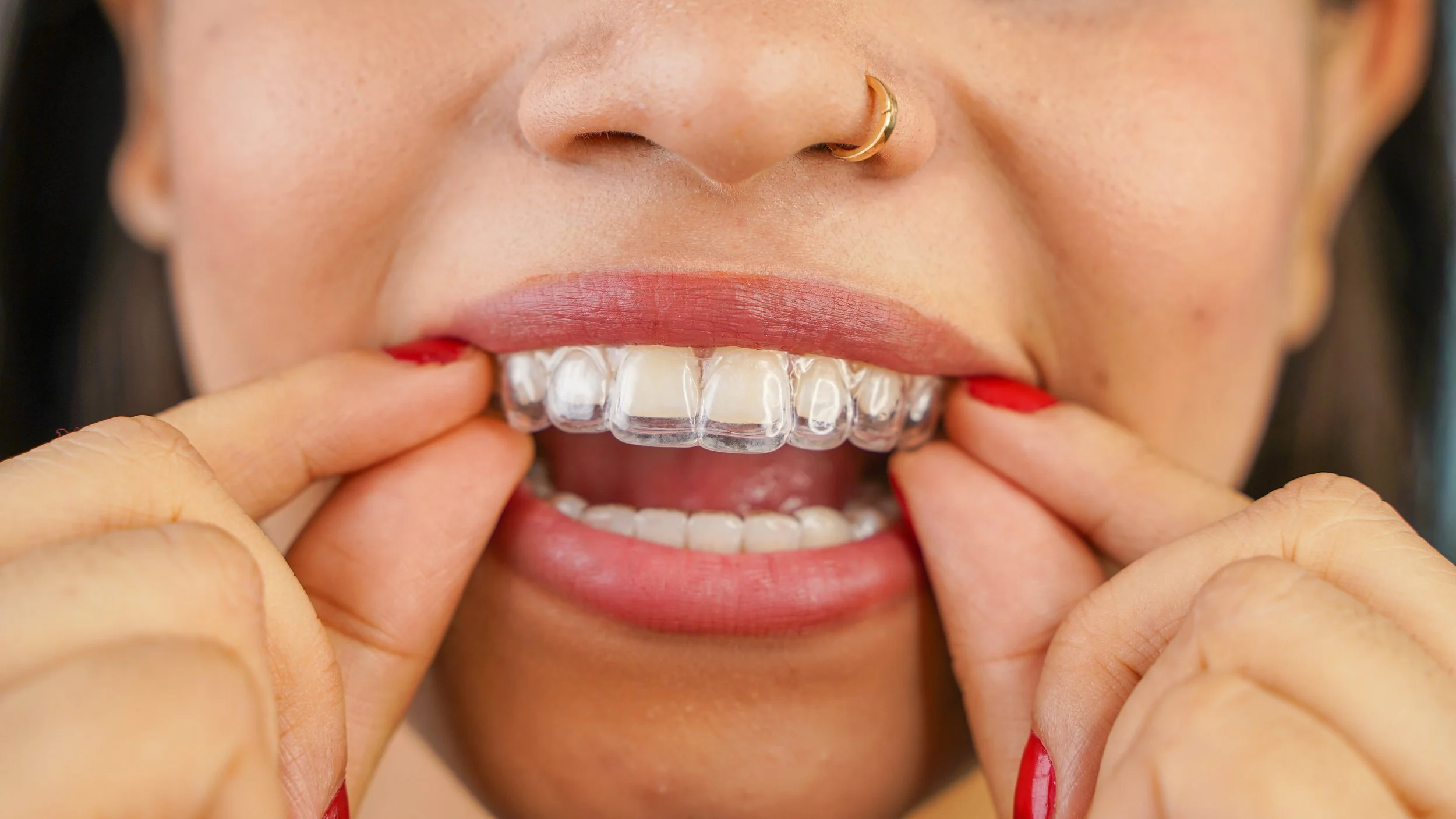
Nearly Invisible
Clear aligners are discreet and hardly noticeable.
-
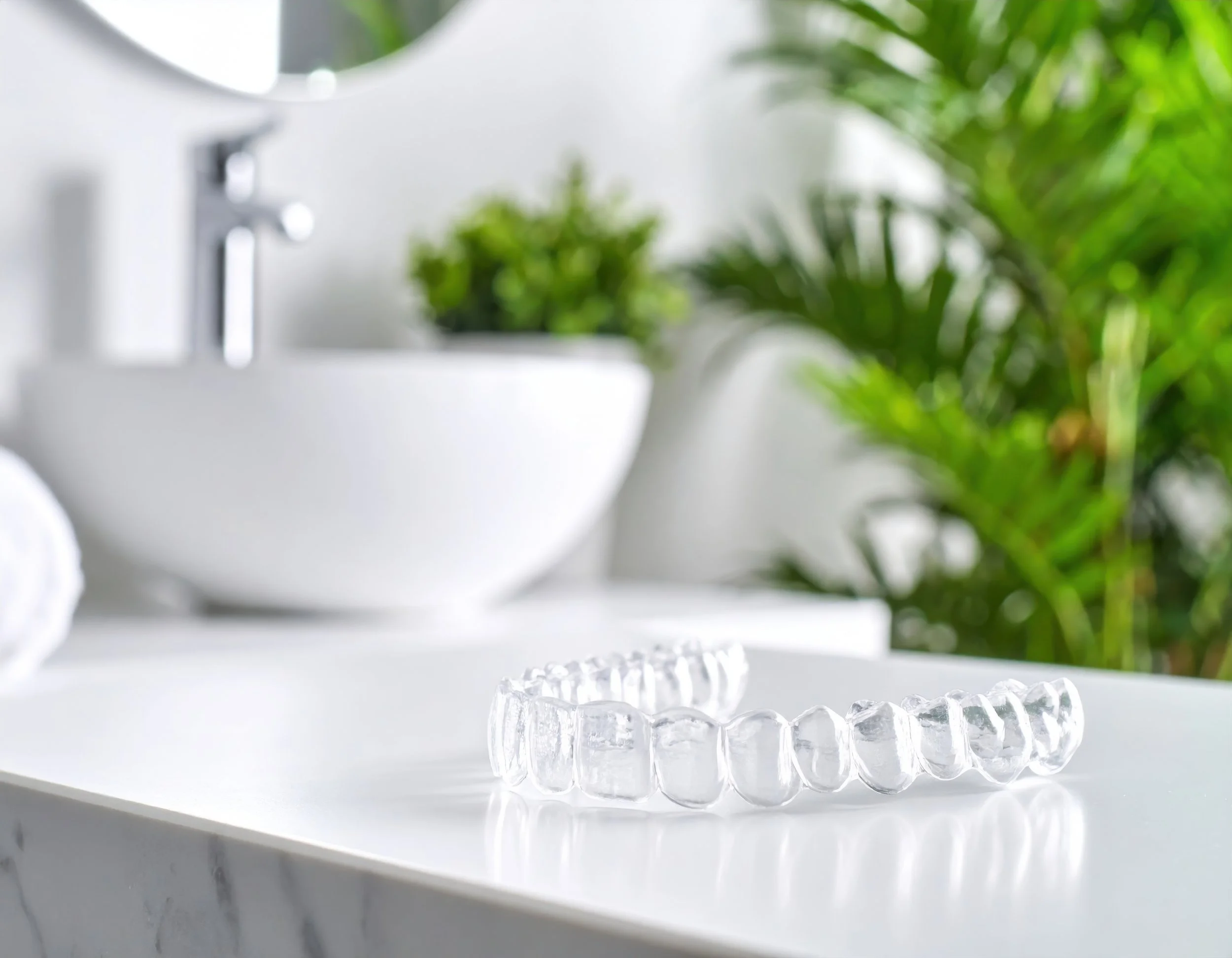
Removable
You can take them out for eating, drinking, brushing, and flossing.
-
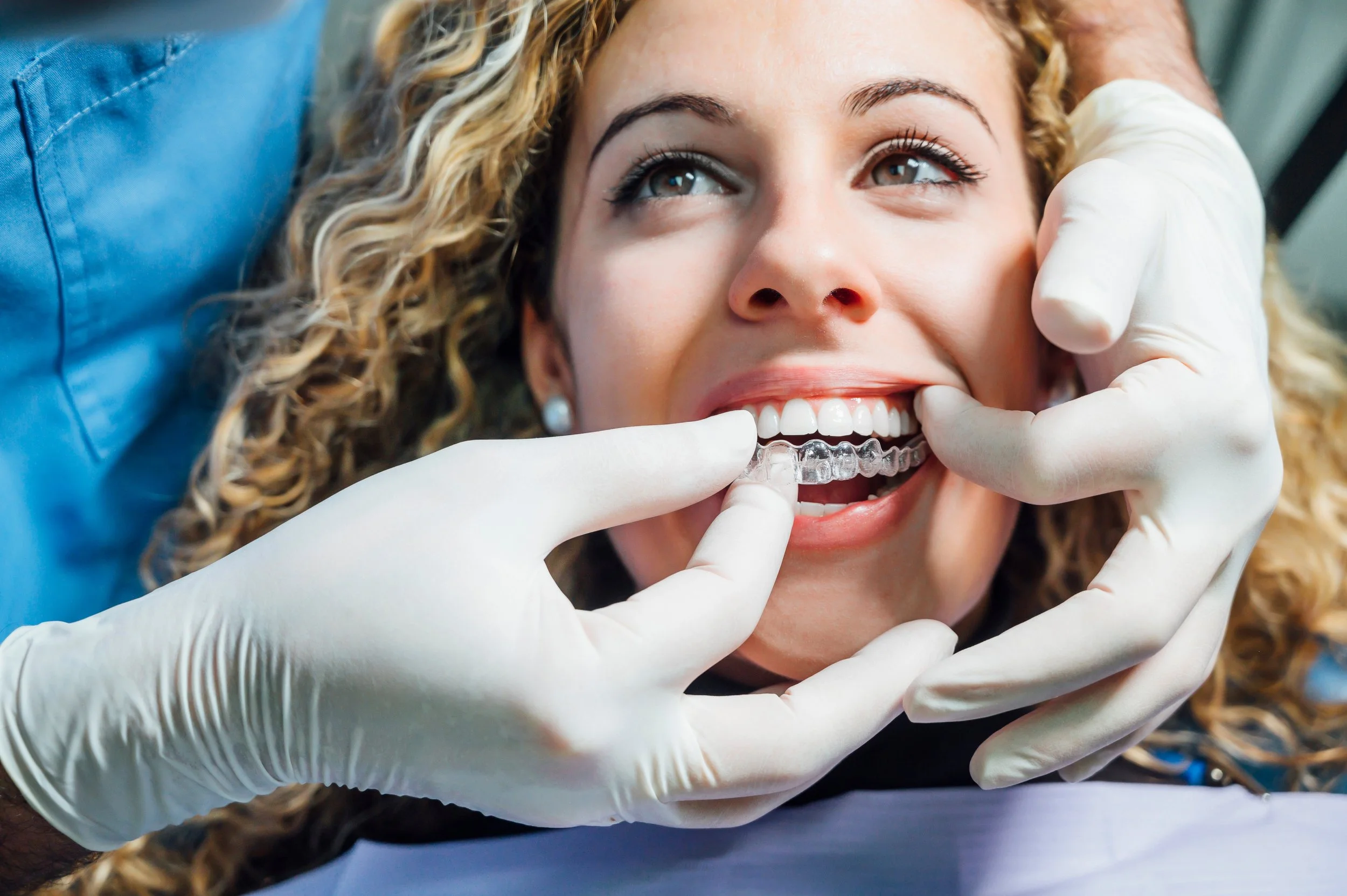
Comfortable
Smooth plastic aligners are gentle on your gums and cheeks.
-
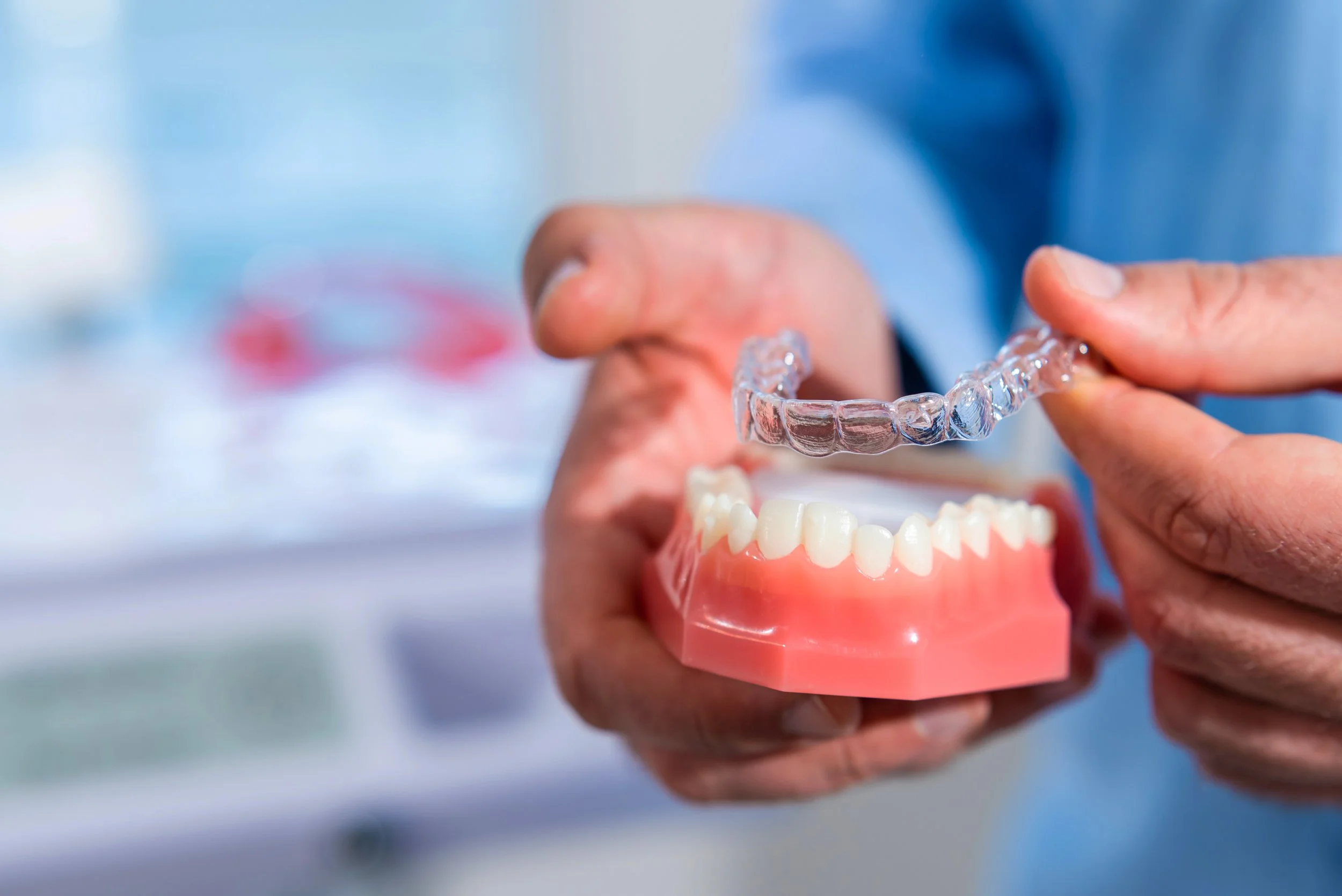
Customised Fit
Made specifically for your teeth using advanced 3D imaging technology.
-

No Food Restrictions
Since aligners are removable, you can enjoy your favourite foods without worry.
-
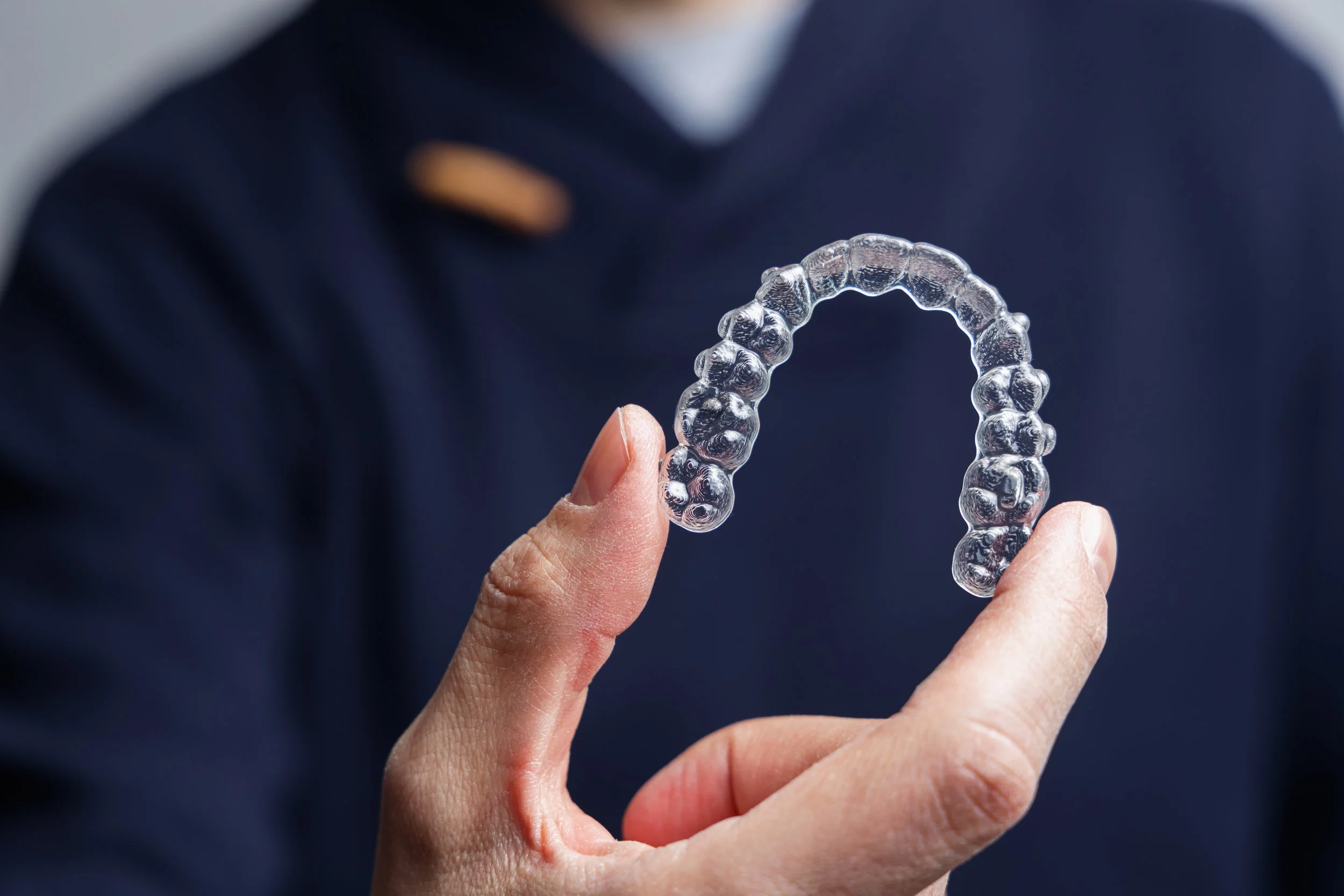
Fewer Clinic Visits
Typically requires fewer adjustments compared to traditional braces.
-
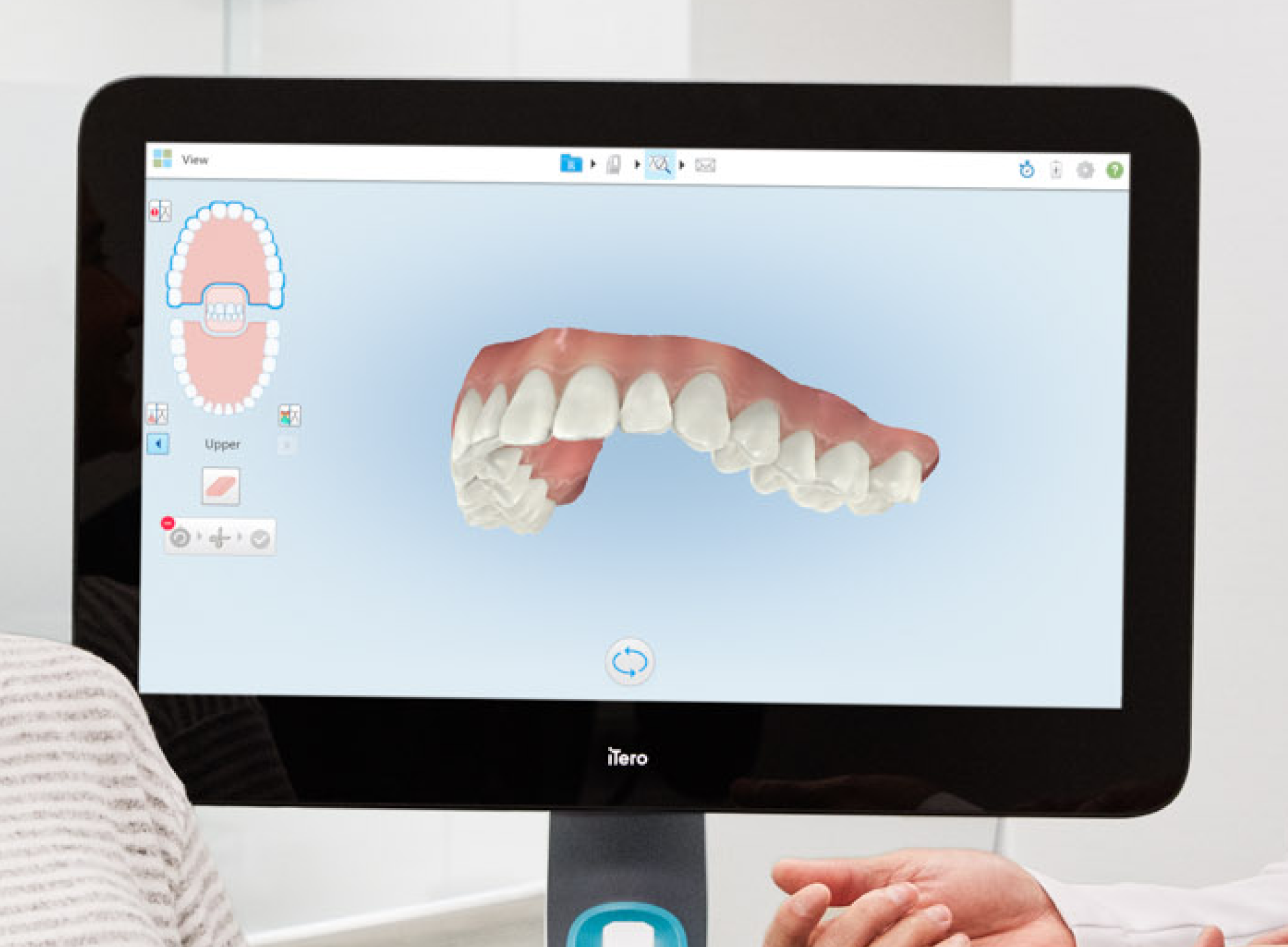
Predictable Results
Digital planning allows you to see your expected outcome before treatment begins.
-
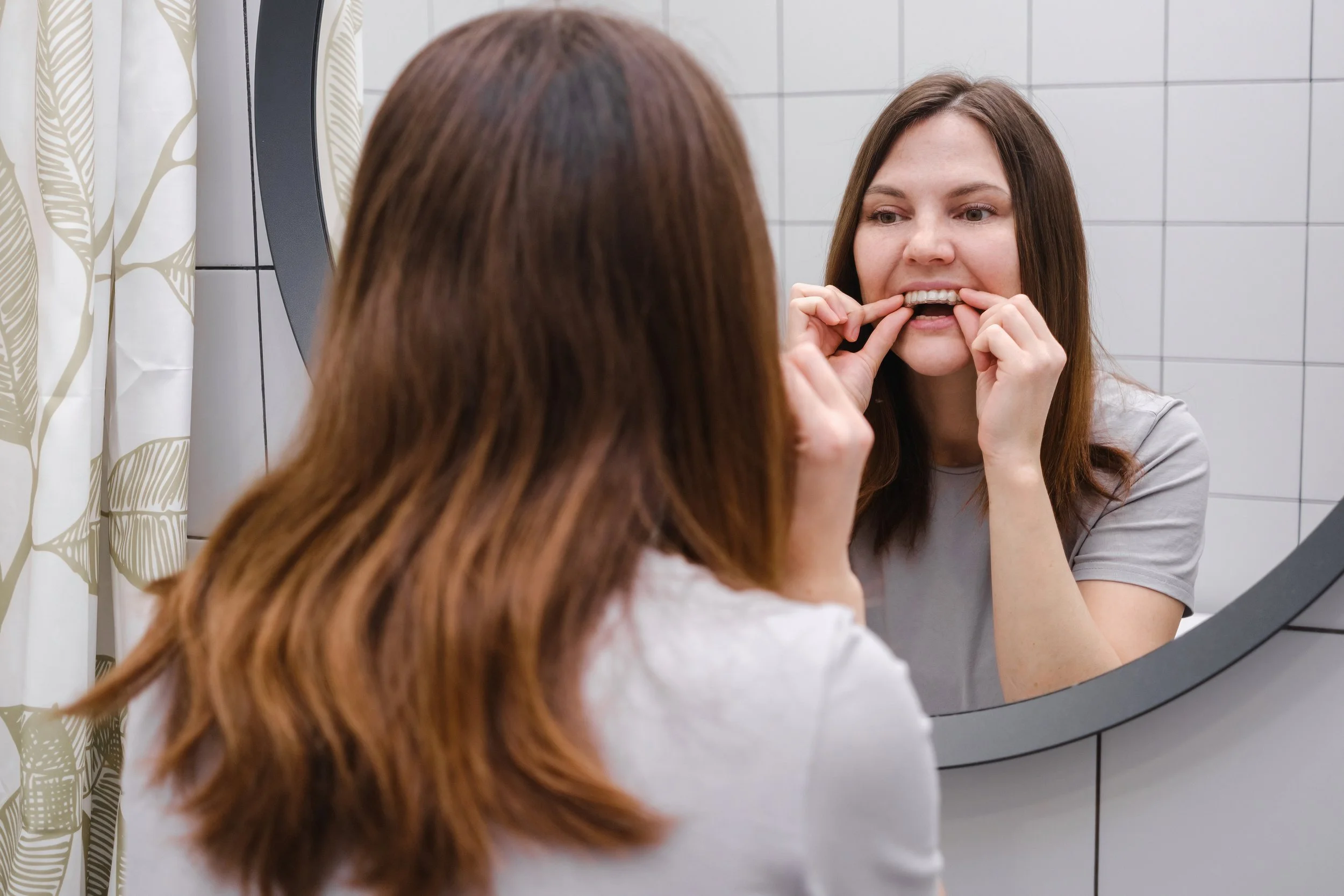
Maintains Oral Hygiene
Easier to brush and floss thoroughly compared to traditional braces.
-
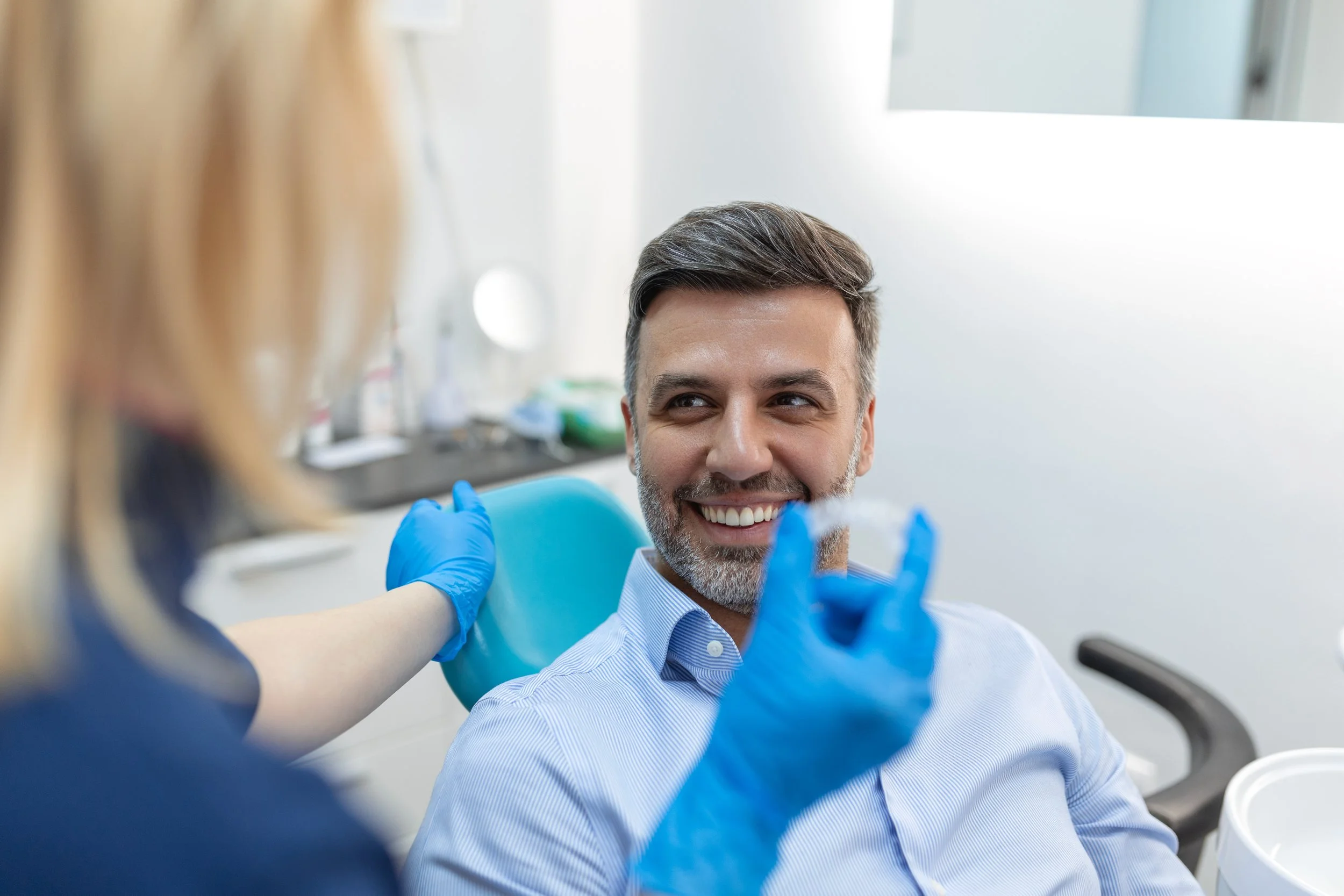
Effective for Various Cases
Suitable for a wide range of orthodontic issues, from minor to moderate corrections.
Invisalign FAQ
-
The cost of Invisalign varies depending on the complexity of your case and the length of treatment. On average, it ranges from £2,000 (for a single arch treatment) to £4,000 for complex cases. Your dentist or orthodontic therapist will provide a personalised quote after your consultation.
-
Treatment time depends on your individual case, but most people complete Invisalign in 6 to 18 months. You’ll start seeing results in just a few weeks. Your provider will give you a more accurate timeline after assessment.
-
Invisalign aligners are generally more comfortable than fixed braces, but you may feel mild pressure or discomfort when switching to a new set of aligners. This is normal and usually settles within a couple of days.
-
Invisalign is suitable for most adults and teens with mild to moderate alignment issues, such as crooked teeth, gaps, or minor bite problems. A consultation and digital scan will determine if it’s the right option for you.
-
Whitening is included as standard. Some patients choose to whiten while wearing the aligners using special whitening gels – check with your provider.
-
Invisalign can give long-lasting results, but like all orthodontic treatments, you’ll need to wear retainers after treatment to maintain your new smile. Without retainers, your teeth can gradually move back to their original positions.
Book your smile consultation
Stay up to date